



The Nature of Gambling Psychology
Gambling is not merely a game of chance; it deeply engages the psyche of players. The thrill associated with potential wins triggers the brain’s reward system, releasing neurotransmitters like dopamine. This biochemical response not only creates a sense of pleasure but also reinforces the behavior, encouraging players to return for more. Understanding this psychological aspect can help identify why individuals may adopt certain strategies when gambling, especially with the rise of brand new sweeps casinos usa that cater to diverse preferences.
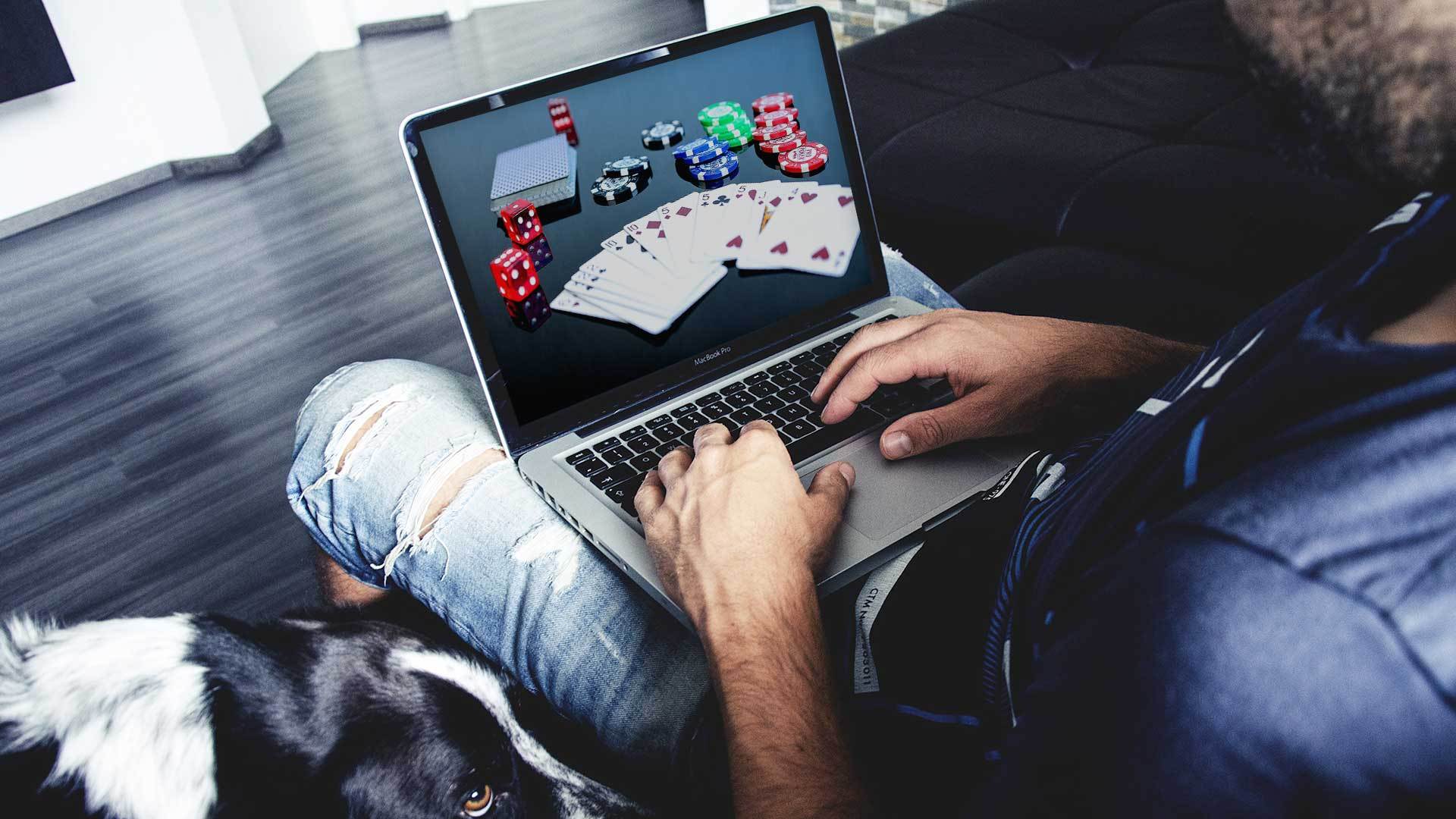
Furthermore, the environment of a casino amplifies these psychological triggers. Bright lights, sounds of winning machines, and the overall atmosphere create a sensory overload that heightens excitement. This sensory stimulation can lead players to make impulsive decisions, often overshadowing rational thought, which is essential when formulating effective gambling strategies.
Cognitive Biases in Gambling
Cognitive biases play a significant role in gambling behavior. One prominent example is the illusion of control, where players believe they can influence outcomes in games of chance. This belief can lead to the adoption of specific strategies, such as betting patterns or game selection, even when the results are random. Such biases can dramatically affect gambling strategies and decision-making.
Furthermore, the gambler’s fallacy is another notable cognitive bias where players may think past outcomes influence future events. For instance, if a slot machine hasn’t paid out in a while, a player might assume it is due for a win. This flawed thinking can lead to chasing losses and intensifying gambling behaviors, often resulting in financial and emotional distress.
The Social Aspect of Gambling
The social dynamics of gambling also contribute to individual strategies. Casinos often capitalize on the communal experience of playing together, which can influence how players approach their games. Group behavior can lead individuals to adopt certain strategies based on the actions or perceptions of those around them, rather than their judgment.
Additionally, peer pressure and competition can encourage players to take risks they might otherwise avoid. The desire to fit in or impress peers can drive individuals to gamble more than they would in a solitary setting, sometimes leading to irrational strategies that prioritize social acceptance over personal gain.
Emotional Factors in Gambling Strategies
Emotion heavily influences gambling strategies, often dictating decisions in high-stress environments like casinos. Players experiencing loss may employ “chasing” strategies, where they increase their bets in hopes of recovering losses. This emotional rollercoaster can cloud judgment and lead to further financial strain.
Conversely, feelings of excitement and euphoria can lead to overconfidence, prompting players to make overly aggressive bets. Understanding these emotional influences can help gamblers adopt healthier strategies, focusing on self-awareness and emotional regulation to make more calculated decisions.
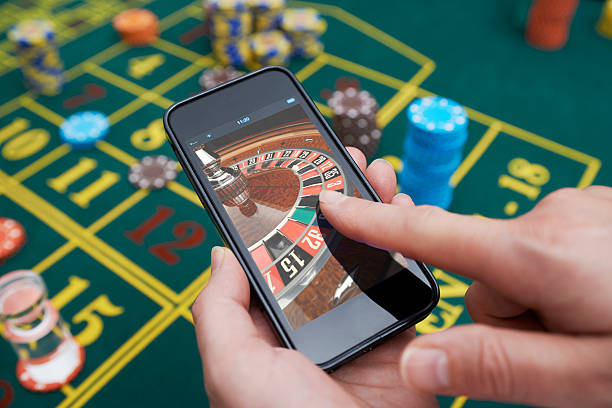
Our Commitment to Providing Insightful Information
At our website, we are dedicated to offering users valuable insights into gambling psychology and strategies. We believe understanding the underlying psychological factors can empower individuals to make informed decisions while navigating the gambling landscape. Our resources are designed to promote responsible gambling practices.
We also prioritize user security and a seamless experience, ensuring that you can access our information without concerns for your privacy or safety. By fully understanding the complexities of gambling psychology, we aim to foster a community of informed players who can enjoy gaming responsibly and with awareness.